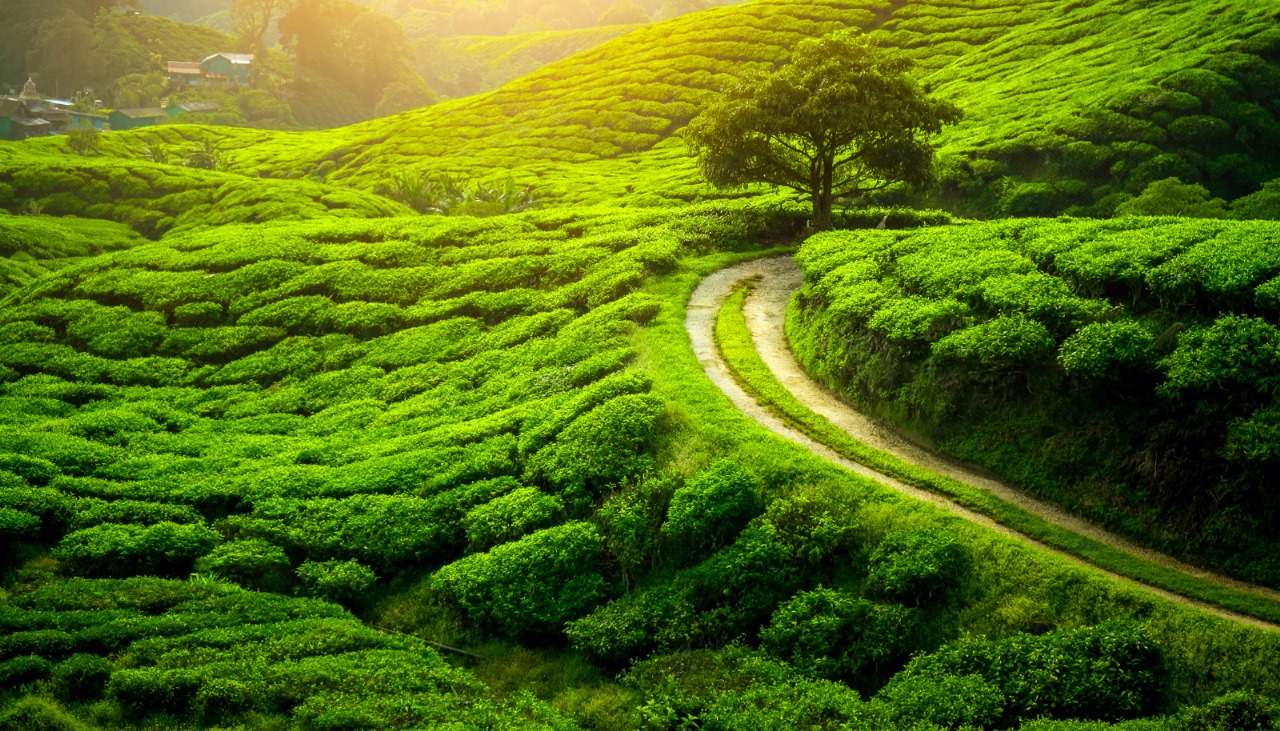
Darjeeling tea, often called the “Champagne of Teas,” is famous around the world for its unique taste and high quality. It’s grown in the beautiful hills of Darjeeling, West Bengal, where the cool climate and rich soil create perfect conditions for tea plants. The special environment in this region imparts a distinctive flavor to Darjeeling tea, making it a favorite among tea enthusiasts. The tea estates in Darjeeling, some of which are over a century old, are dedicated to maintaining the exceptional quality of their tea through careful cultivation and harvesting practices.
This exquisite tea is celebrated for its complex flavor profile, which includes delicate floral notes, a hint of fruitiness, and a subtle astringency. The unique growing conditions and meticulous care taken by the tea estates contribute to the tea’s remarkable taste and aroma, making every cup of Darjeeling tea a cherished experience for tea lovers around the globe.
The Legacy of Darjeeling Tea
The history of Darjeeling tea began in the mid-19th century when British colonists introduced tea seeds to the region. The combination of Darjeeling’s cool, misty climate and rich, well-drained soil created perfect conditions for growing tea. These ideal conditions helped the tea quickly gain recognition for its exceptional quality. The unique environment allowed the tea to develop a distinctive flavor that set it apart from other teas, establishing Darjeeling as a premier tea-growing region.
Today, Darjeeling tea is cultivated across more than 80 tea estates in the region. Each estate contributes to the tea’s renowned flavor profile, reflecting the diverse growing conditions and traditional cultivation practices. The dedication of these estates to maintaining high standards ensures that Darjeeling tea continues to be celebrated for its distinctive and complex taste, making it a cherished choice for tea lovers worldwide.
Types of Darjeeling Tea
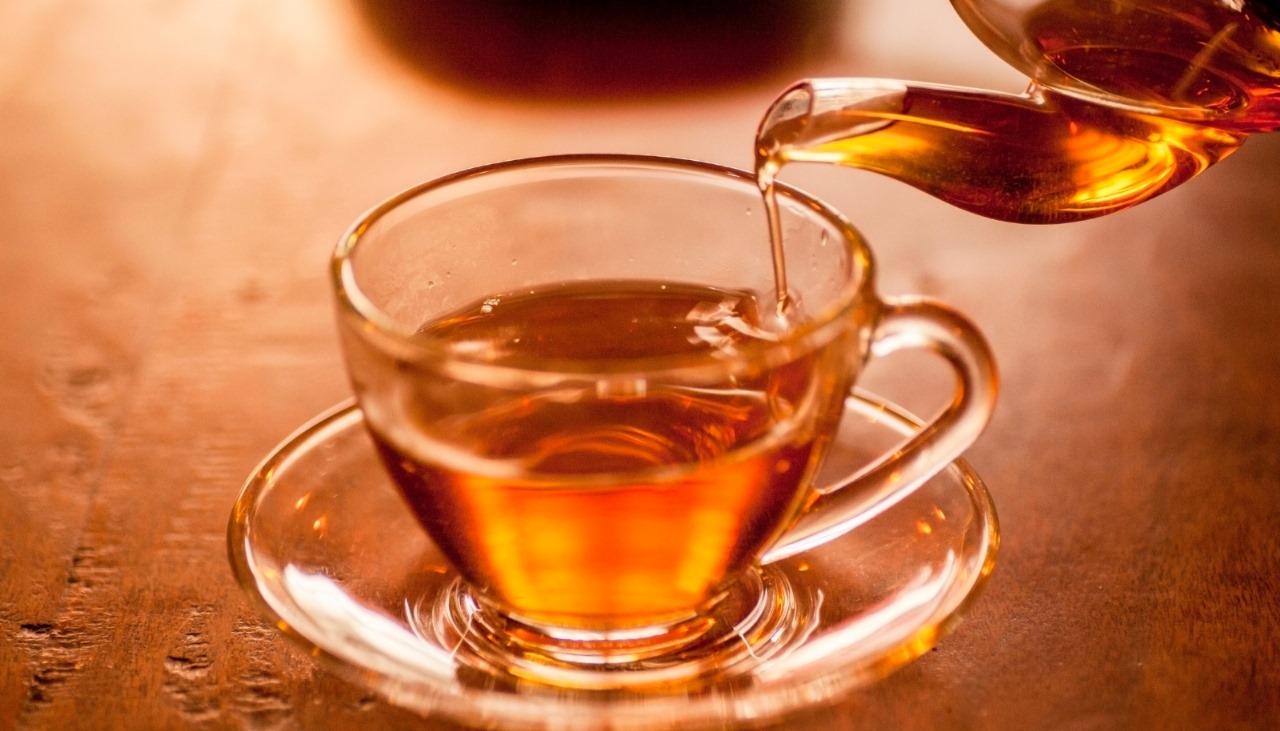
Darjeeling tea is known for its diverse varieties, each with its own characteristics:
1. First Flush
- Harvest Time: March to April.
- Flavor Profile: Light, delicate, with a fresh, grassy note.
- Characteristics: The early spring harvest yields teas with a pale color and subtle, floral flavors.
2. Second Flush
- Harvest Time: June to July.
- Flavor Profile: Rich, with a distinct muscatel flavor, a combination of fruity and floral notes.
- Characteristics: This summer harvest produces teas with a deeper color and more robust flavor, often sought after by connoisseurs.
3. Autumn Flush
- Harvest Time: October to November.
- Flavor Profile: Mellow, with a darker color and a richer taste.
- Characteristics: The fall harvest results in teas that are fuller-bodied and have a more intense flavor.
4. Green Tea
- Flavor Profile: Fresh and grassy with a delicate aroma.
- Characteristics: Produced from the same leaves as black tea but with minimal oxidation.
5. White Tea
- Flavor Profile: Subtle, sweet, and light.
- Characteristics: Made from young leaves and buds, with minimal processing.
6. Oolong Tea
- Flavor Profile: A balance between black and green tea flavors, with a complex aroma.
- Characteristics: Partially oxidized, offering a diverse range of tastes.
The Tea-Making Process
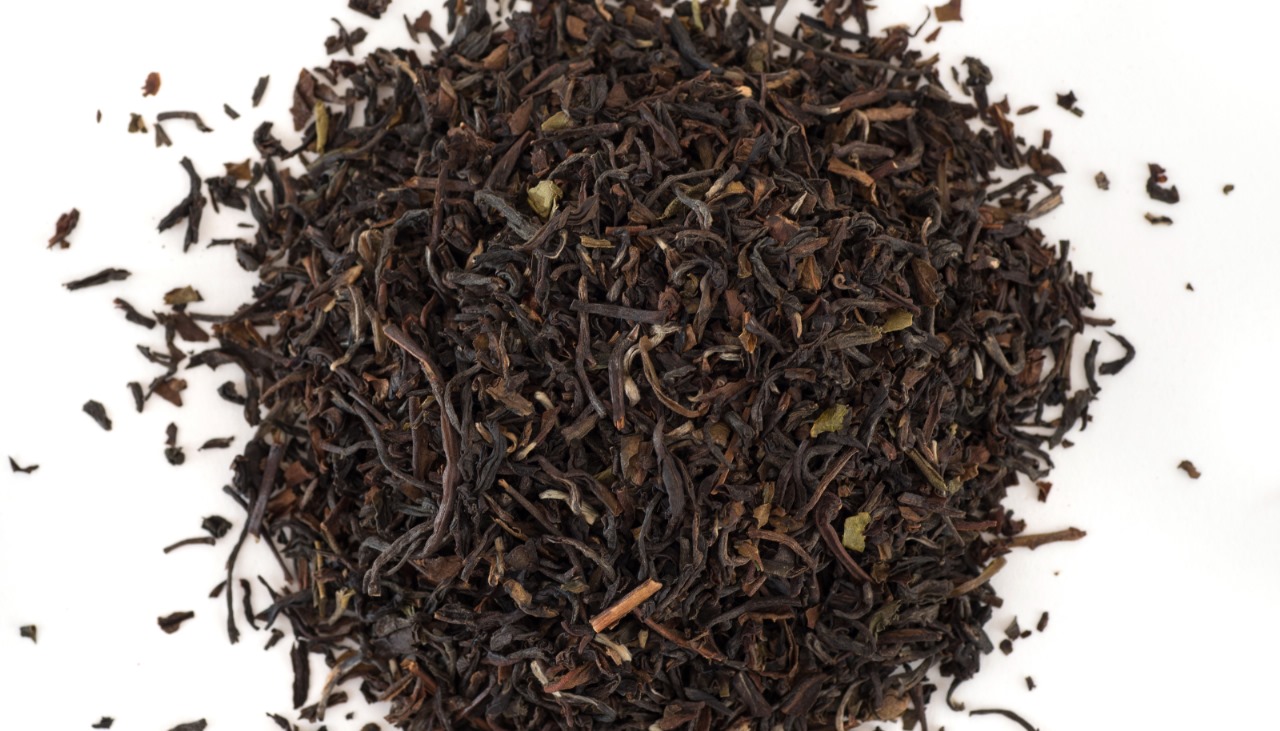
The journey of Darjeeling tea from leaf to cup involves several stages, each contributing to its distinct characteristics:
1. Plucking
- Description: Tea leaves are hand-harvested to ensure only the tenderest young leaves and buds are picked. The timing of the harvest is crucial, with different flushes providing distinct flavor profiles.
2. Withering
- Description: After plucking, the leaves are spread out in thin layers to wither, reducing their moisture content and making them more pliable for rolling.
3. Rolling
- Description: The withered leaves are rolled to break down their cell walls and release essential oils, which are crucial for developing the tea's flavor and aroma.
4. Oxidation
- Description: The rolled leaves are allowed to oxidize, a process that changes the color and flavor of the tea. The degree of oxidation varies depending on the type of tea being produced.
5. Drying
- Description: The oxidized leaves are dried to halt the oxidation process. This step locks in the flavor and prepares the leaves for packaging.
6. Sorting and Grading
- Description: The dried leaves are sorted and graded based on their size, appearance, and quality. This process ensures that only the best leaves make it to market.
The Global Impact
Darjeeling tea has gained international acclaim, earning a prominent place in global markets due to its exceptional quality and unique flavor. Its reputation extends far beyond India, with tea enthusiasts and connoisseurs around the world seeking out this prized variety. The tea’s distinctive characteristics and esteemed status contribute to its high demand and value on the global stage.The certification of Darjeeling tea as a Geographical Indication (GI) product further underscores its significance. This designation ensures that only tea cultivated in the specific Darjeeling region can be marketed under this name. The GI status helps protect the tea’s authenticity and maintain its rigorous quality standards, ensuring that consumers receive the genuine Darjeeling tea experience every time.
Experiencing Darjeeling Tea
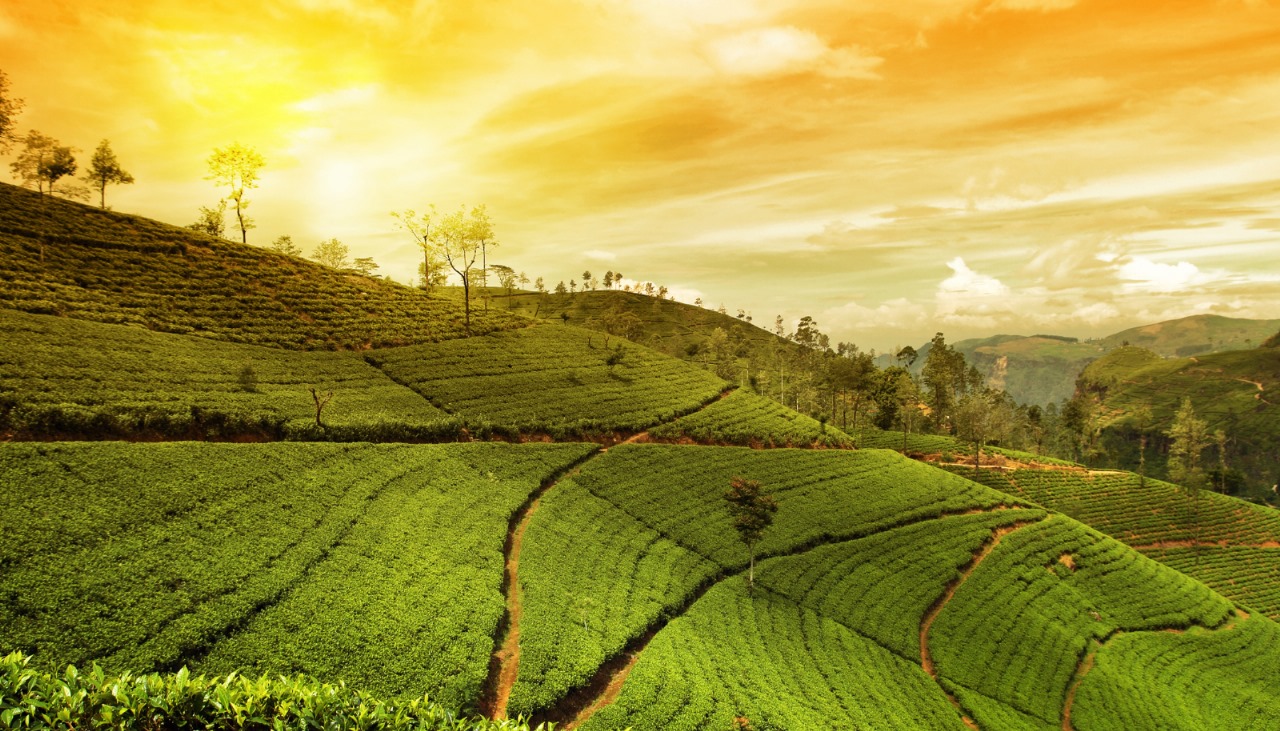
To truly appreciate Darjeeling tea, it’s best enjoyed on its own or with minimal additions, such as a splash of milk or a slice of lemon. Many enthusiasts prefer to savor it plain to experience its full range of flavors.For those visiting Darjeeling, tea tours offer a unique opportunity to explore the tea estates, witness traditional tea-making processes, and taste freshly brewed tea directly from the source. These tours provide insight into the craftsmanship and dedication involved in producing this exceptional tea.
Darjeeling tea is more than just a beverage; it represents a blend of tradition, geography, and craftsmanship. From its distinct flavor profiles to its intricate production process, Darjeeling tea offers a sensory experience that reflects the region’s rich heritage. Whether you are a seasoned tea drinker or new to the world of tea, exploring Darjeeling tea is an invitation to appreciate one of the finest teas in the world.







Leave a Comment - (Links Acceptable)